
Journey to the End of the Night: Wars and Conflicts
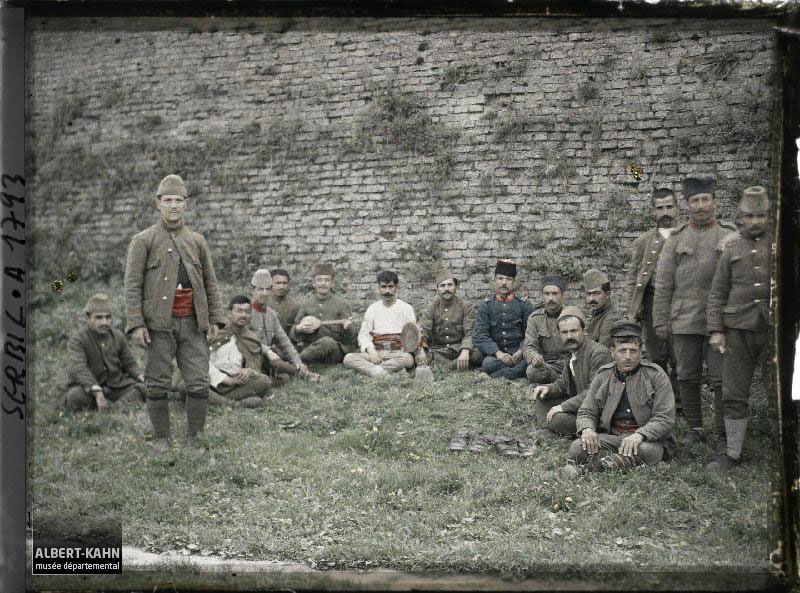
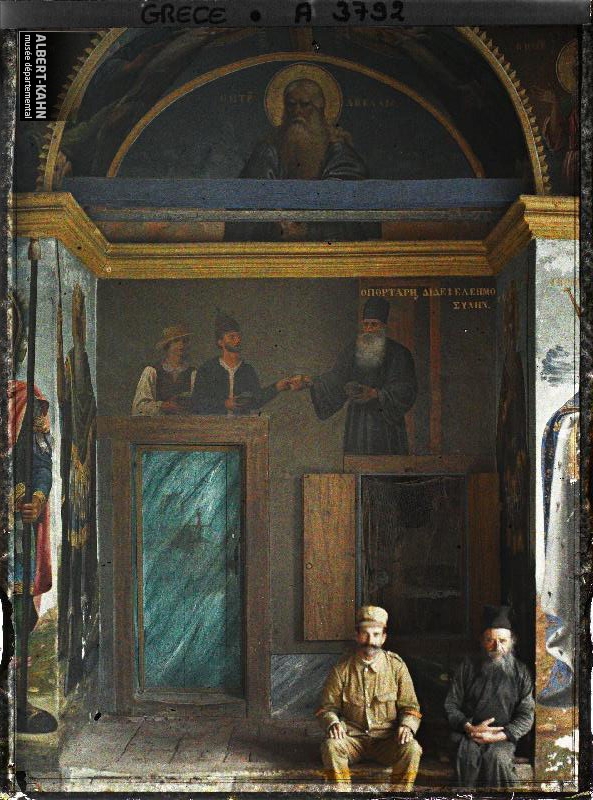
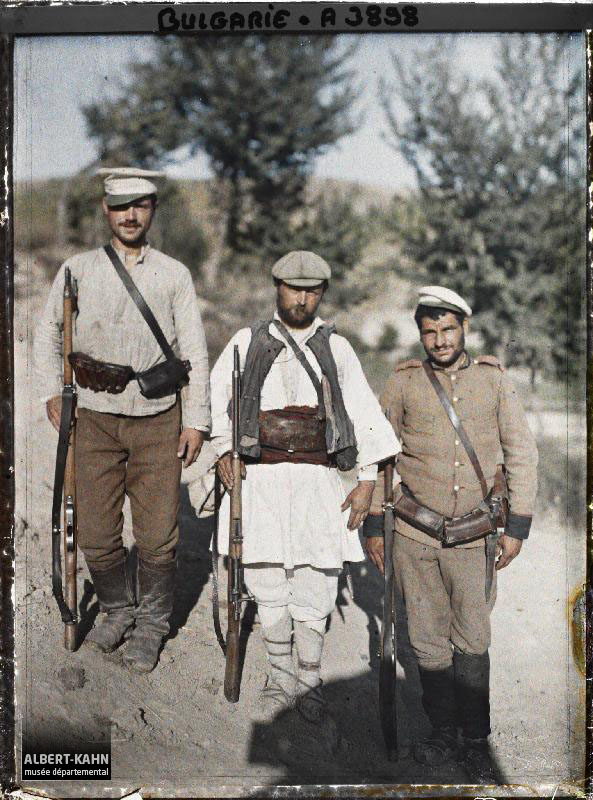
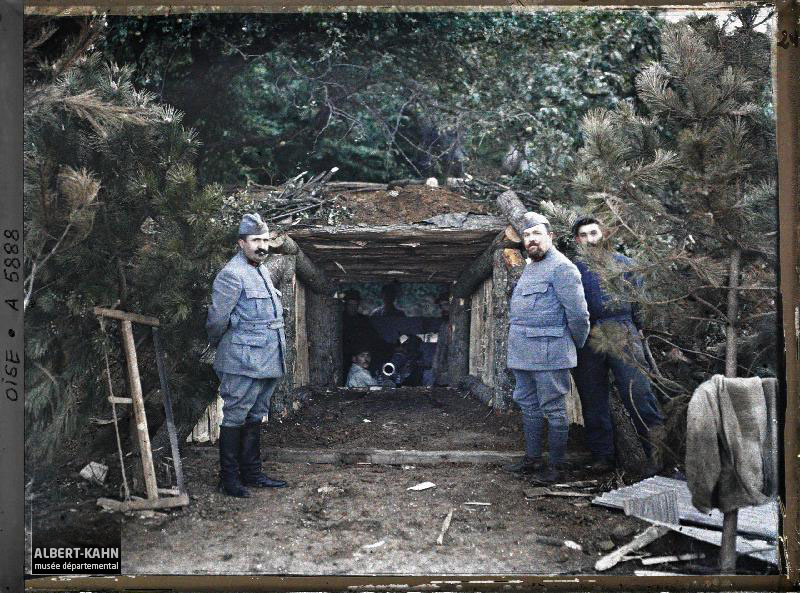
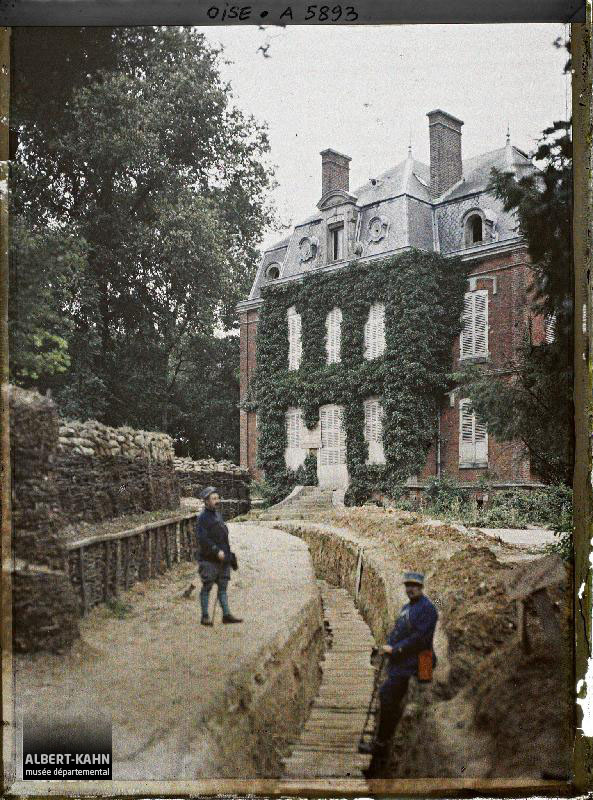
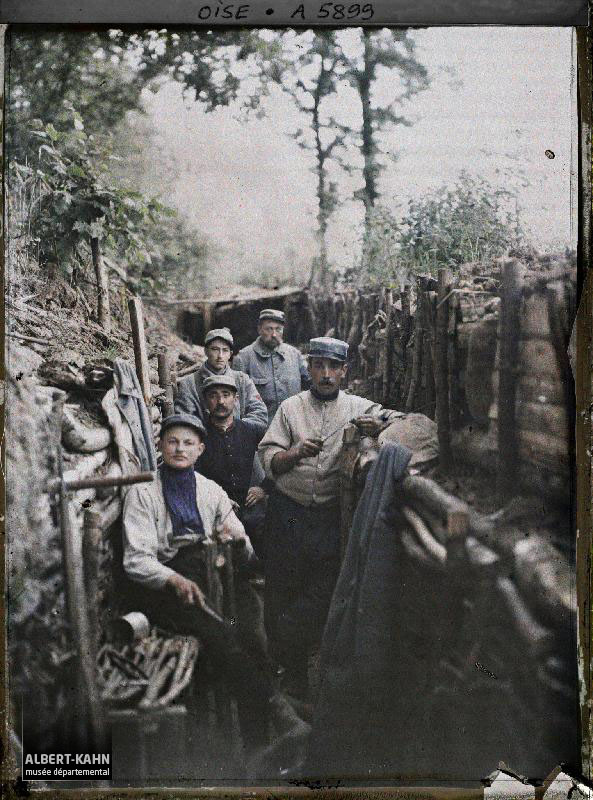
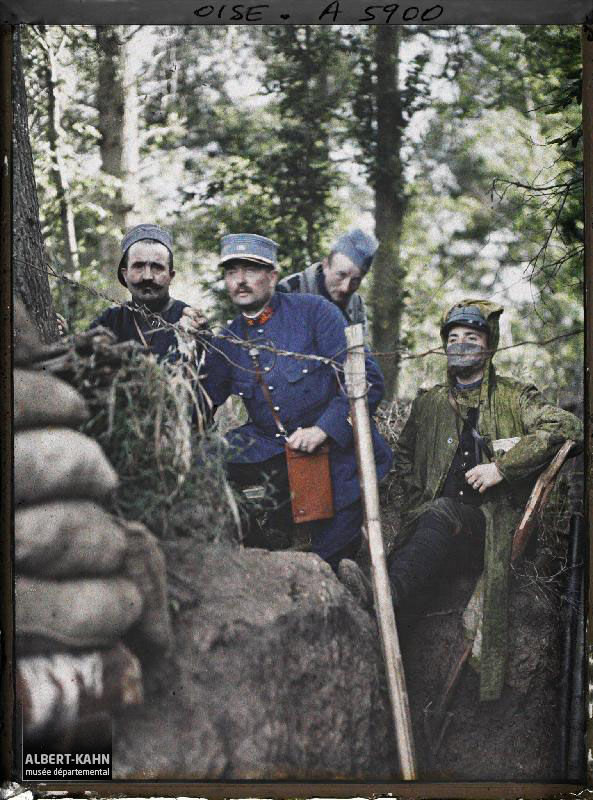
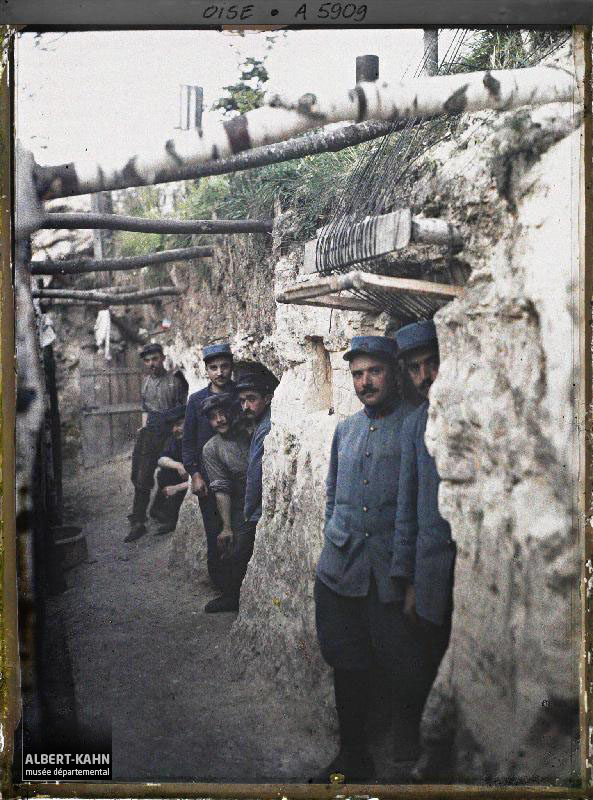
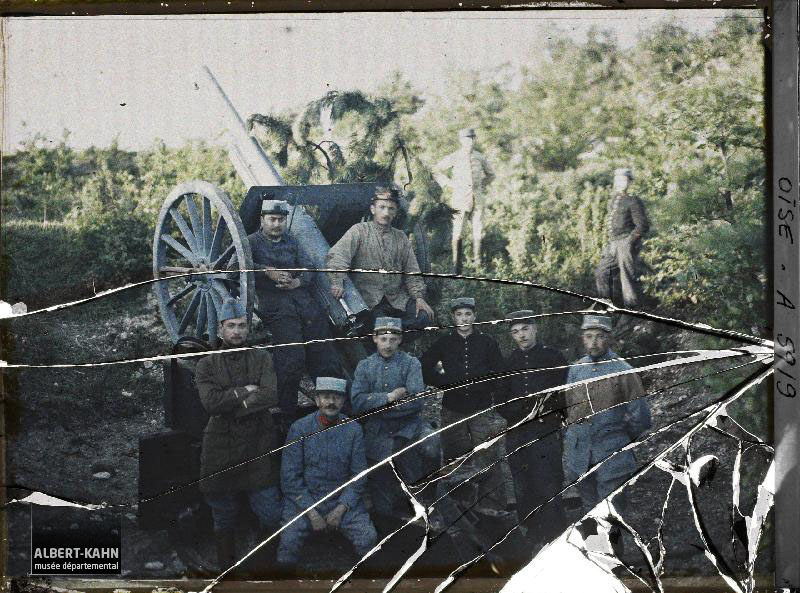
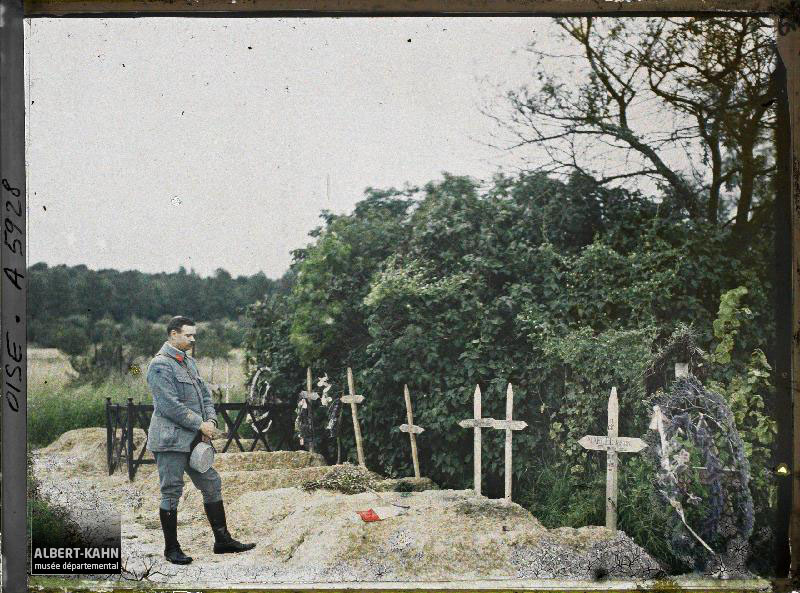
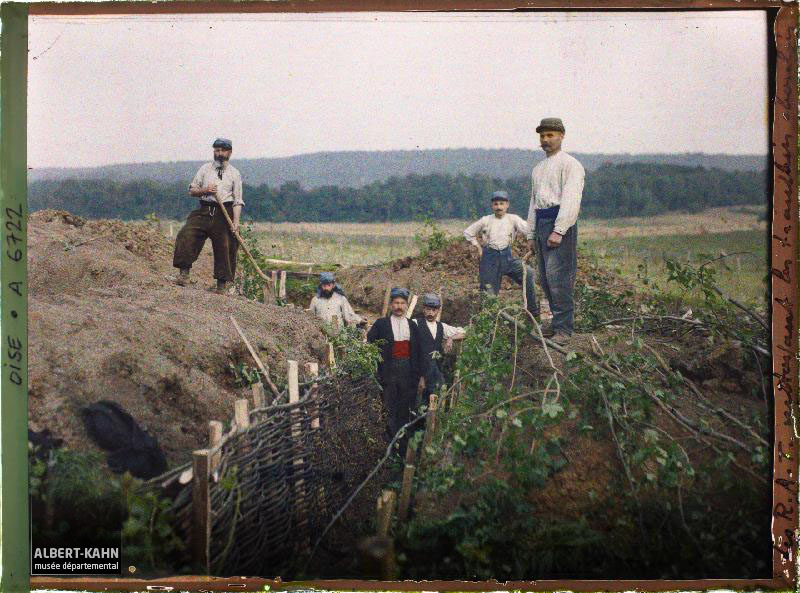
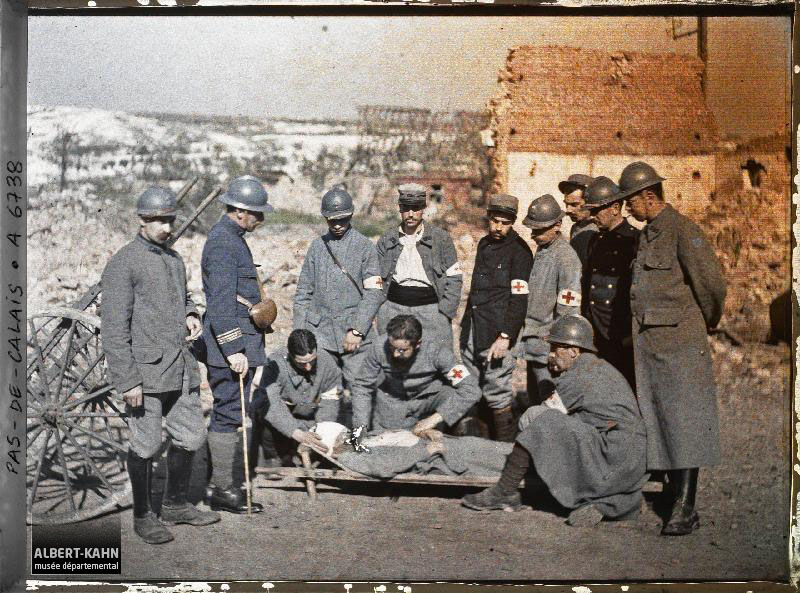
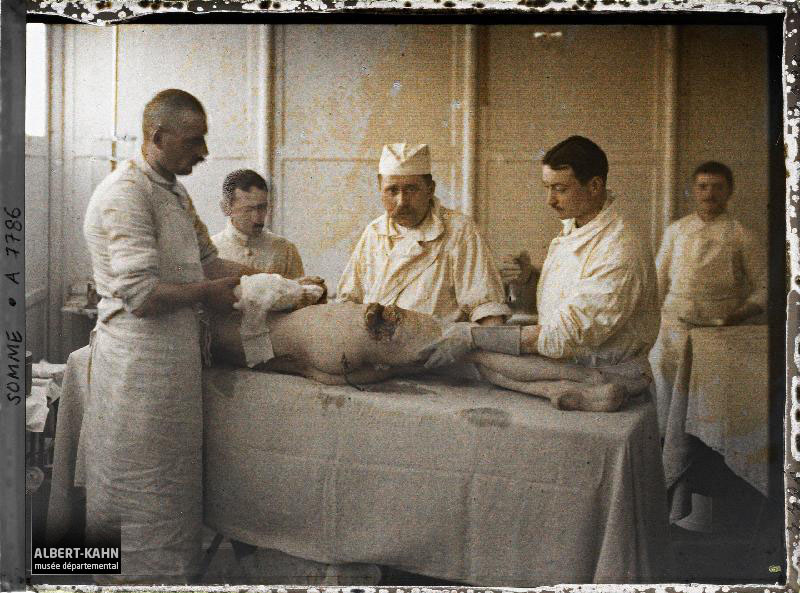
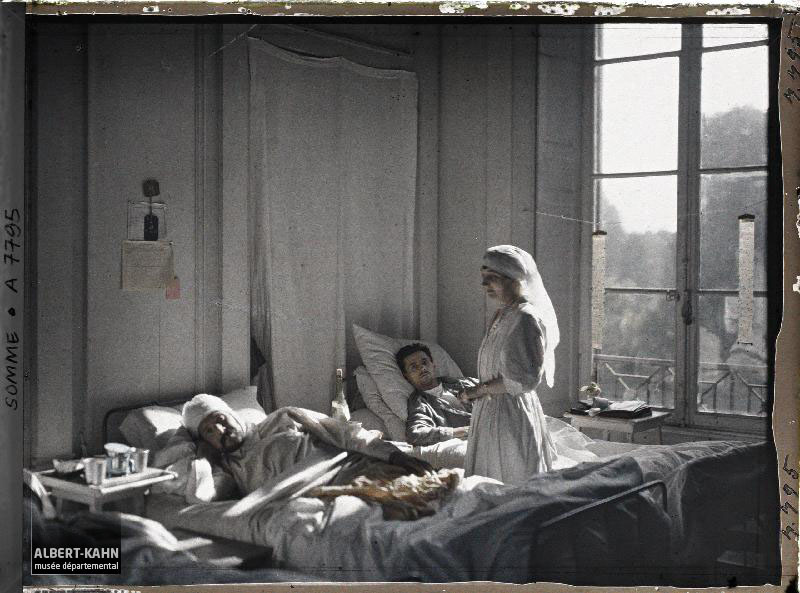
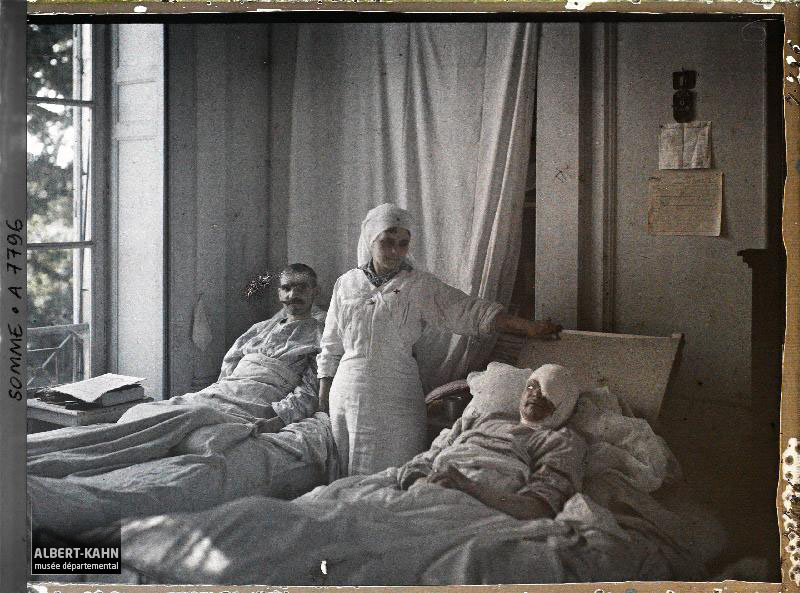
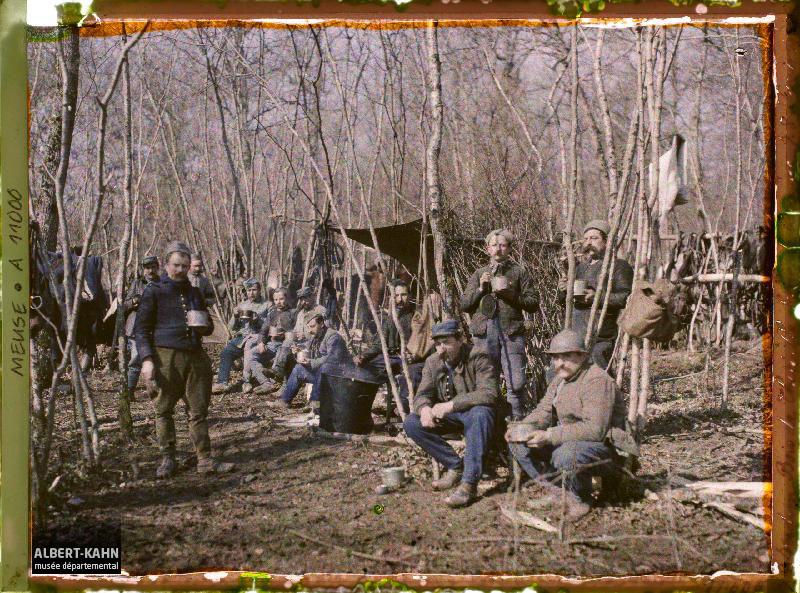
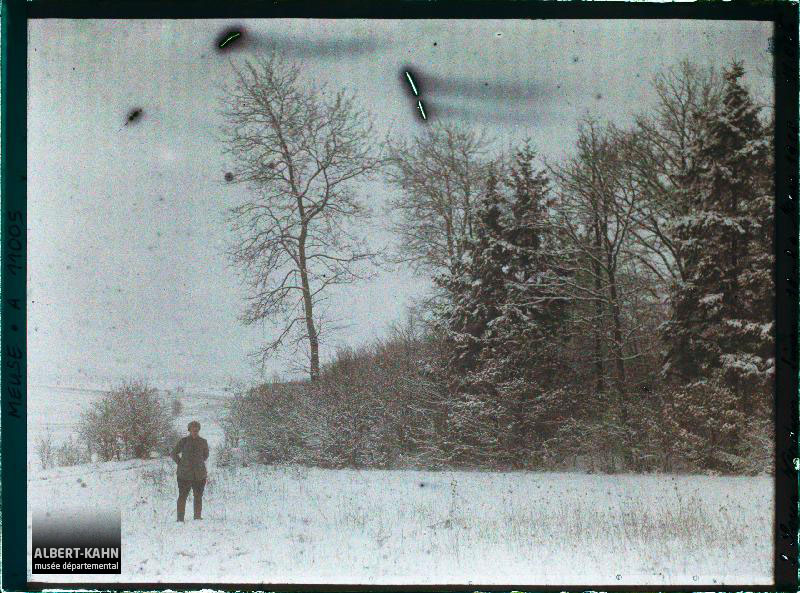
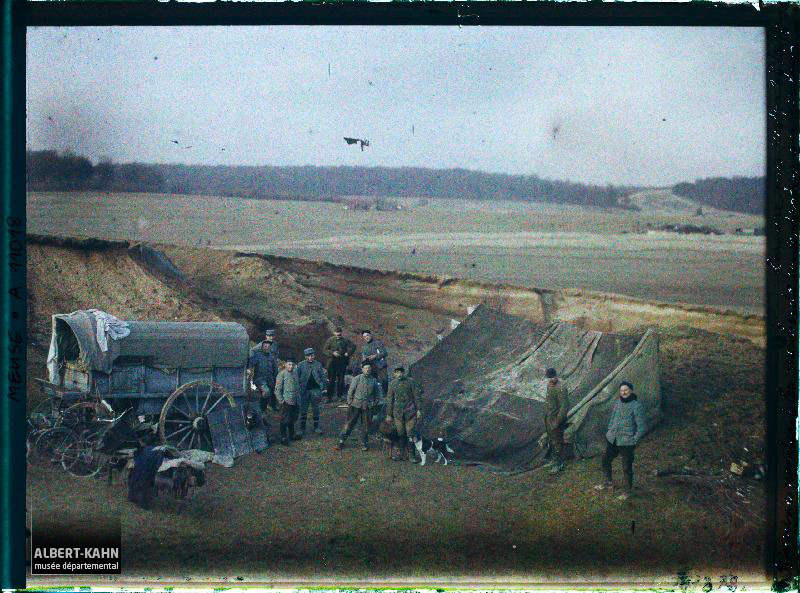
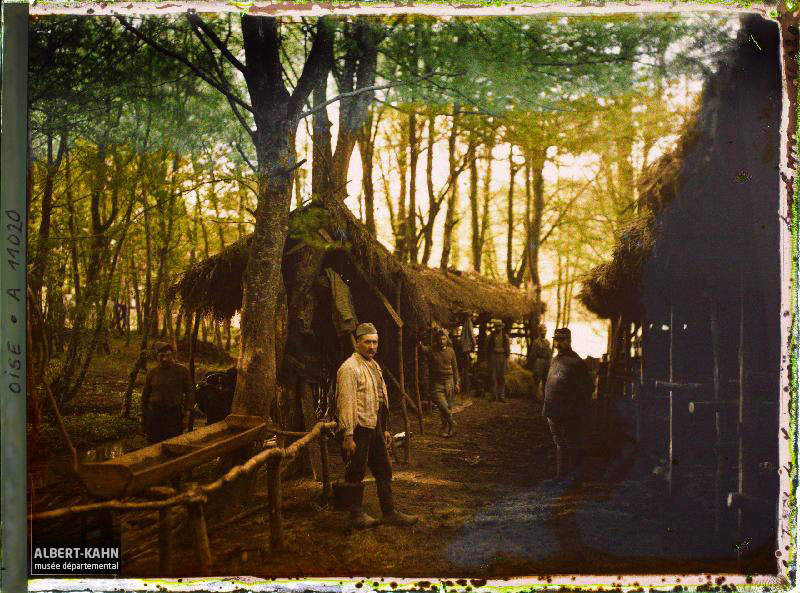
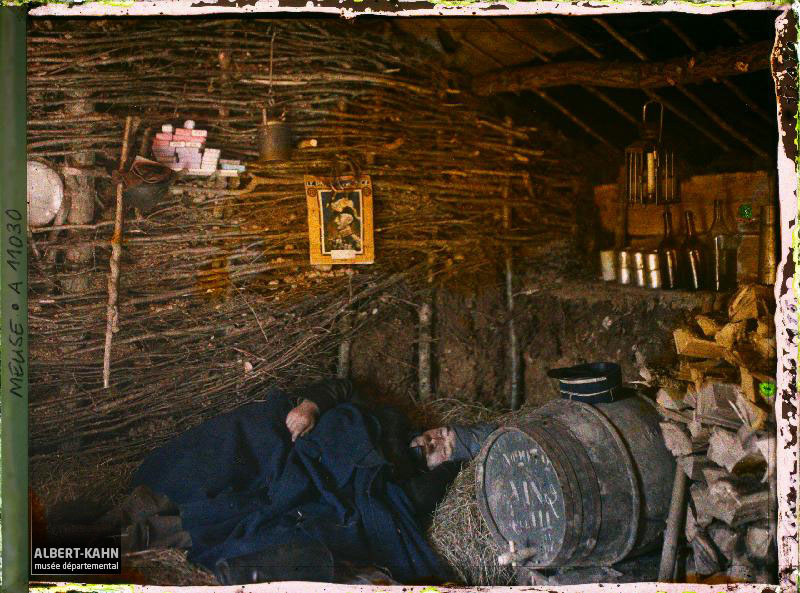
From the beginning of its photographic and cinematographic campaigns in 1909 until the last of its image-gathering trips in 1931, the project's operators documented numerous armed conflicts. The most prominent example is the First World War, a conflict in which Albert Kahn placed his project at the service of the French nation. But these archives also illustrate conflicts between Russia and Japan, Italy and Turkey, and many other battles, revolts, and civil wars that took place during the first decades of the last century. War, after all, is a fact, a product of human activity. Its consequences were recorded by the archives for study, reflection, denunciation… or to exacerbate patriotic sentiment and propaganda. In this sense, one of the most interesting questions raised by archival analysis is the porous boundary between document and artifice. The existence of a colonial political situation, for example, calls into question any principled neutrality, to the point that the boundary between staging and propaganda, in some cases such as troop parades or similar events, has become nonexistent. This ambiguous position permeates the entire archive, especially when considered in the context of dissemination.