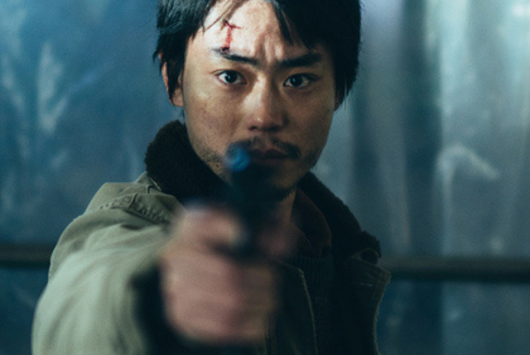

Kiyoshi Kurosawa. The Revenge of Loneliness
Kiyoshi Kurosawa (Kobe, 1955) began filming 8mm movies in the 80s while studying sociology at Rikkyo University under the tutelage of Shigehiko Hasumi, a pivotal figure in Japanese film criticism and cinema over the past five decades. During that decade, he also directed small productions for the video market and worked as an assistant director to directors like Shinji Somai, who undoubtedly influenced one of Kurosawa's most recognizable cinematic techniques: long takes filmed from a distance. This formative period likely also contributed to the economy of means and realistic tone characteristic of his films.
Kurosawa reached his maturity as a director in the late 90s, experiencing a period of intense productivity and directing fifteen feature films between 1997 and 2002. During this time, he directed the two horror classics that would bring him international fame: Cure and Pulse/Kairo. These films, born of the turn of the millennium, benefited from the global J-Horror boom, but the director himself admits that he did not create them from the perspective of the genre's established rules, which did not limit him and which he disregarded when making films that defy all labels.
Terror seems to have arrived almost by accident, as it attempts to create a psychological portrait of contemporary humanity. This portrait is also contemporary with the end of the millennium, which, with its warning of a changing era and the threat of the end times, permeates the films of this period. These films, which allowed us to discover the work of a unique director, are the ones we are revisiting in our series.
This period in his filmography also anticipates the cinema Kurosawa would create in the following decades, films in which it is surprising to recognize, twenty-five years later, themes and problems that are very close to home: the lack of communication, isolation, and empathy that have paradoxically been amplified by new technologies, ecological crises, virality (not just pandemic-related), and, above all, the ever-increasing loneliness in contemporary societies. In his films, there is another common and recognizable element in the face of these circumstances: the violence that explodes after lurking behind a facade of normality. Perhaps this is a reaction understood as revenge for the loneliness with which his characters abandon any oppressive responsibility.
With a visionary eye, Kurosawa seems to have recognized these trends at the turn of the millennium, and his curiosity led him to investigate them further, focusing on characters facing extreme conditions and often apocalyptic scenarios. These protagonists, subjected to isolation and a lack of communication, are vulnerable to horror, while at the same time, due to their moral ambiguity, they are also its architects.
For this cycle, we have recovered seven fundamental titles from that part of his filmography, so little accessible today, in which with his sober and austere style he creates an atmosphere of discomfort, surreal situations and an apocalyptic poetry with which he appeals to the most contemporary collective fears.
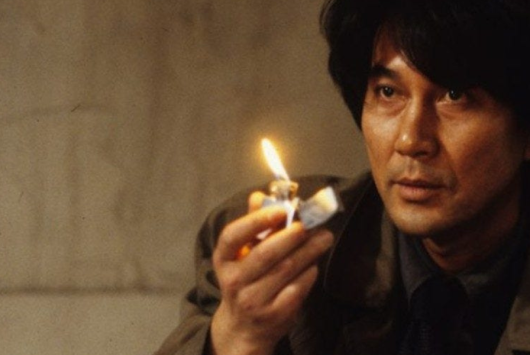
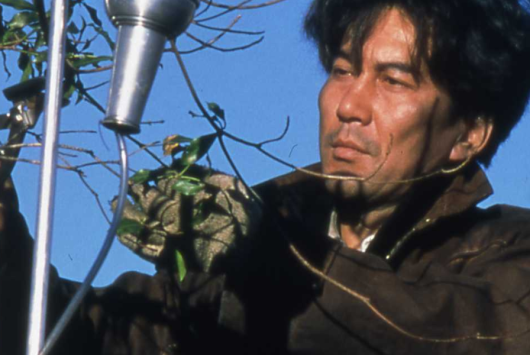
The selection begins, as one might expect, with Cure (Kyua, 1997), one of the most unsettling films of recent decades, starring Kōji Yakusho, the director's friend and on-screen alter ego. Yakusho also appears in License to Live (Ningen gôkaku, 1998), a tragicomedy about the search for our place in the world, in which he shares the screen with a very young Hidetoshi Nishijima (Drive My Car), and stars in Charisma (Karisuma, 1999), a surreal ecological fable. In between, Kurosawa directed Eyes of the Spider (Kumo no hitomi, 1998) and Serpent's Path (Hebi no michi, 1998). Shot in two weeks on a shoestring budget, these two films complement and engage in dialogue to complete his diptych on revenge.
The series continues with films far removed from thrillers and horror, but in which Kurosawa continues to experiment with characters on the edge. Barren Illusion (Ôinaru gen'ei, 1999), perhaps the most cryptic film in the selection, transports us to a poetic and melancholic end of the world. And we continue with Bright Future (Akarui mirai, 2002), a story of liberation starring two young characters united by rage, played by Joe Odagiri and Tadanobu Asano.
And finally, we revisit Kurosawa's last film, CLOUD (2024), in which the director demonstrates the enduring relevance of, and continued interest in, the themes he began exploring during the period that is the focus of our series. This film reconnects with and updates his apocalyptic vision of isolation and individualism as a consequence of the misuse of technology.
- Date:
- 26.11.2025 - 06.12.2025
- Organized by:
Japan Foundation
Círculo de Bellas Artes